Preparing Your RV for Spring Travels: Maintenance Tips from Experts

Get Your RV Road-Ready for Spring Adventures
A man is fixing a window on a camper.

Spring is the perfect time to start preparing your RV and get ready for new adventures. After months of winter storage, your RV needs a thorough checkup to ensure a safe, smooth, and stress-free travel season. Proper RV maintenance now can help you avoid costly repairs and unexpected breakdowns later. Follow these expert tips from our RV maintenance experts to get your vehicle in top shape for spring travels.


Essential RV Maintenance Tips for Spring


1. Inspect and Clean the Exterior

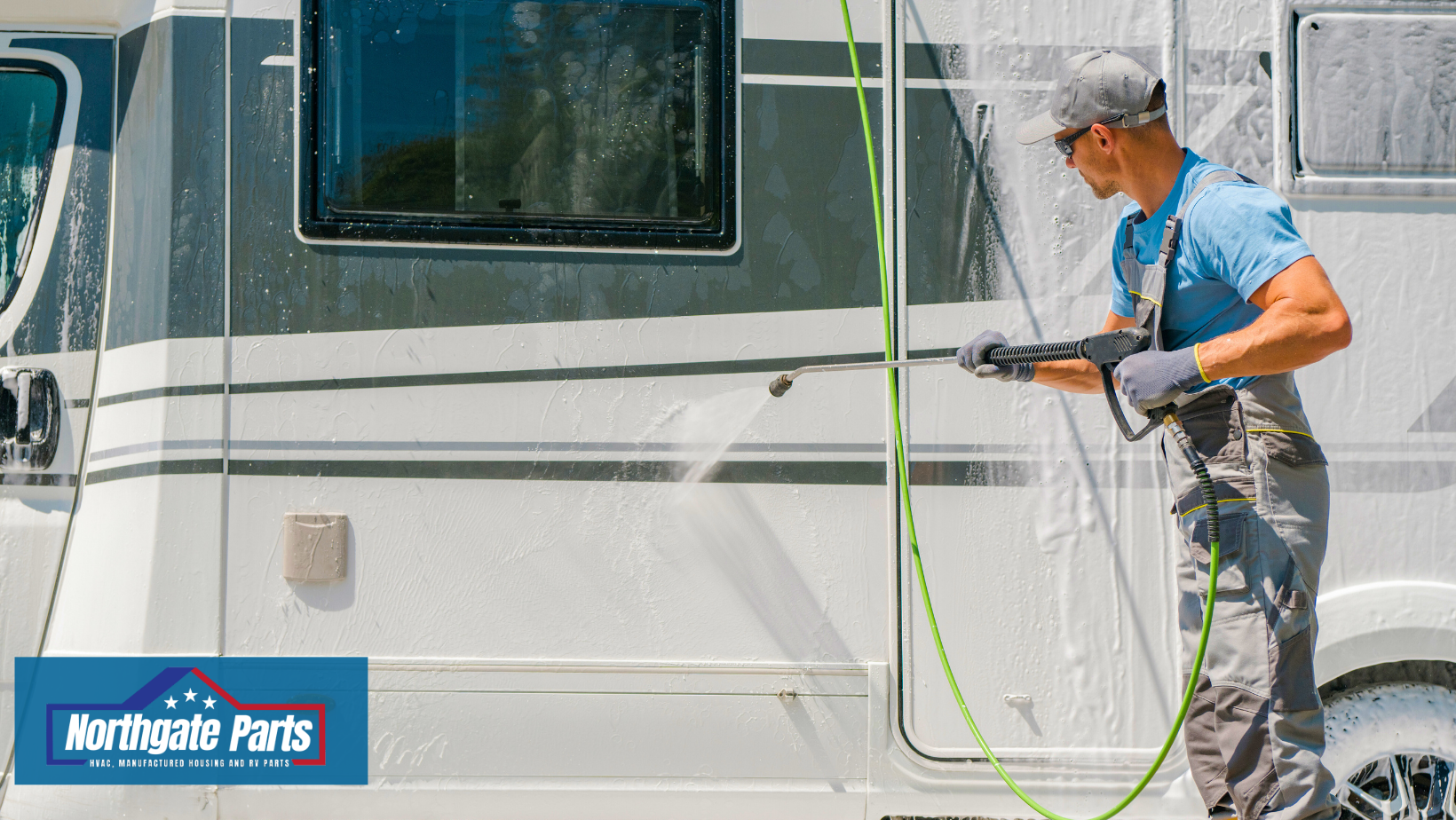
Winter storage can leave your RV covered in dirt, grime, and even mildew. Start with a thorough exterior cleaning:


  • Wash the RV with a mild detergent to remove dirt and debris.
  • Inspect the roof, seams, and seals for cracks or leaks.
  • Check for any signs of rust or corrosion and address them promptly.


2. Check the Tires

Tires lose pressure over time, and cold temperatures can cause them to deflate. Before hitting the road:


  • Inspect tires for cracks, bulges, or uneven wear.
  • Check tire pressure and inflate to the manufacturer’s recommended PSI.
  • Tighten lug nuts and ensure your spare tire is in good condition.


3. Test the Battery

Cold weather can drain an RV battery, so testing it before your first trip is essential:


  • Use a multimeter  to check voltage levels.
  • Clean battery terminals to prevent corrosion.
  • If your battery won’t hold a charge, consider replacing it before your travels.


4. Flush and Sanitize the Water System

After months of non-use, your RV’s water system needs a thorough flush:


  • Drain any antifreeze from winterization.
  • Fill the fresh water tank and run water through the system to flush out any residue.
  • Sanitize the water system with a diluted bleach solution to kill bacteria and odors.


5. Inspect the Propane System

If your RV uses propane for cooking, heating, or refrigeration, check for leaks and proper function:


  • Inspect propane hoses and connections for cracks or leaks.
  • Test all propane-powered appliances.
  • Ensure your propane detector is working properly.


6. Check the Electrical System

Electrical problems can ruin a trip. Before you head out:


  • Test all interior and exterior lights.
  • Check the power converter and shore power connections.
  • Inspect and replace any blown fuses or damaged wiring.


7. Perform HVAC System Maintenance

A comfortable RV trip requires a well-functioning heating and cooling system:


  • Clean or replace air filters in your  HVAC system.
  • Inspect vents for blockages and clean dust buildup.
  • Test the air conditioning and furnace to ensure proper function.


8. Examine the Interior and Safety Equipment

A final walkthrough inside your RV ensures everything is ready to go:


  • Check smoke detectors, carbon monoxide detectors, and fire extinguishers.
  • Test all appliances, including the refrigerator, microwave, and stove.
  • Restock first aid kits and emergency supplies.


Get Expert RV Maintenance Help at NORTHGATE PARTS


Prepping your RV for spring travels can be overwhelming, but you don’t have to do it alone. At NORTHGATE PARTS, we provide top-quality   RV Parts, RV Maintenance  and RV Supplies, and expert advice to get your RV road-ready. From HVAC Services to manufactured housing parts and RV accessories, we have everything you need for a smooth and enjoyable journey.


Call (423) 870-1515 for Professional RV Maintenance and Supplies

Don’t wait until the last minute—get your RV in peak condition today! Call NORTHGATE PARTS for expert assistance with all your RV maintenance needs.

Other Articles from Northgate Parts
A couple standing next to a white rv in the snow.
By NORTHGATE PARTS December 9, 2025
Winter can be tough on your RV, and failing to winterize properly can lead to costly repairs in the spring. Whether you're storing your RV for the season or planning winter adventures, taking the right precautionary steps ensures that your investment stays protected. At Northgate Parts, we provide RV Parts , winterization supplies, and expert service to keep your RV in top shape. Follow this guide to safeguard your RV from freezing temperatures and harsh winter conditions. Why Winterizing Your RV is Essential Cold temperatures can cause frozen pipes, cracked water lines, and damage to your RV’s systems. Proper winterization prevents costly repairs, ensuring your RV is ready for travel when warmer weather returns. Step 1: Drain and Protect the Water System Preventing Frozen Pipes and Water Damage One of the biggest risks to an RV during winter is freezing water lines, which can burst and cause leaks. To prevent this: Drain the freshwater, gray, and black water tanks completely. Flush the water heater and bypass it before adding antifreeze. Use RV-specific antifreeze to protect the plumbing system. Open faucets to ensure all water is removed. Step 2: Seal and Protect Your RV Exterior Keeping Out Moisture and Pests Cold weather, rain, and snow can cause seals to crack, leading to leaks and water damage. Before storing your RV: Inspect and reseal windows, doors, and roof seams. Check vent covers to ensure they’re properly secured. Store your RV under a cover or in a climate-controlled facility for extra protection. Step 3: Protect Your RV Batteries Extending Battery Life in Cold Weather Freezing temperatures can drain your RV batteries if they’re not properly stored. Keep them in good condition by: Disconnecting house and engine batteries before long-term storage. Storing batteries in a cool, dry place, ideally indoors. Using a trickle charger or battery maintainer to keep them from losing charge. Step 4: Maintain the Tires and Chassis Preventing Flat Spots and Tire Damage Long periods of storage can lead to tire deterioration and flat spots. To keep your tires in good shape: Inflate them to the recommended PSI before storage. Use tire covers to protect against sun exposure. If possible, move the RV every few weeks to prevent tire deformation. Step 5: Protect the Interior Preventing Mold, Odors, and Pests An RV that sits unused for months can develop musty smells, mold, or even rodent infestations. Keep the interior fresh by: Removing all food and perishables. Cleaning and vacuuming floors, cabinets, and appliances. Placing moisture absorbers or dehumidifiers inside. Checking for gaps or openings where rodents could enter. Step 6: Winterize Your RV’s HVAC System Avoiding Heating and Cooling System Issues Your RV’s furnace and air conditioning system also need attention before winter: Clean or replace air filters to ensure proper airflow. Inspect vents and remove debris to prevent blockages. If storing your RV in extreme cold, consider insulating exposed HVAC components. Step 7: Secure and Store Your RV Safely Choosing the Right Storage Option Where and how you store your RV during the winter months makes a difference in how well it holds up. Consider: Covered or indoor storage to protect from harsh weather. Using wheel chocks and stabilizers to prevent movement. Checking on your RV periodically to ensure no new issues arise. By following these essential winterization steps, you’ll protect your RV from costly repairs and ensure it’s ready to hit the road in spring. Need RV antifreeze , sealants , battery maintainers, or professional winterization services? Northgate Parts has everything you need to winterize your RV with confidence! At Northgate Parts, we offer RV Storage solutions in Chattanooga , giving you a safe and secure place to keep your RV all winter long. Call NORTHGATE PARTS today at (423) 870-1515 to reserve your RV storage spot today!
A rv is being repaired in a garage.
By NORTHGATE PARTS November 20, 2025
Expert RV repair, roof maintenance, and collision services in Chattanooga. Keep your RV in top condition!
A person is working on an air conditioner outside of a house.
By NORTHGATE PARTS October 21, 2025
Mobile home HVAC maintenance tips from Northgate Parts — simple ways to prolong your system’s lifespan and improve efficiency.
More Posts