Essential RV Maintenance Tasks Before Fall Travel
Proper Seasonal Maintenance Ensures a Smooth, Safe, and Comfortable Trip
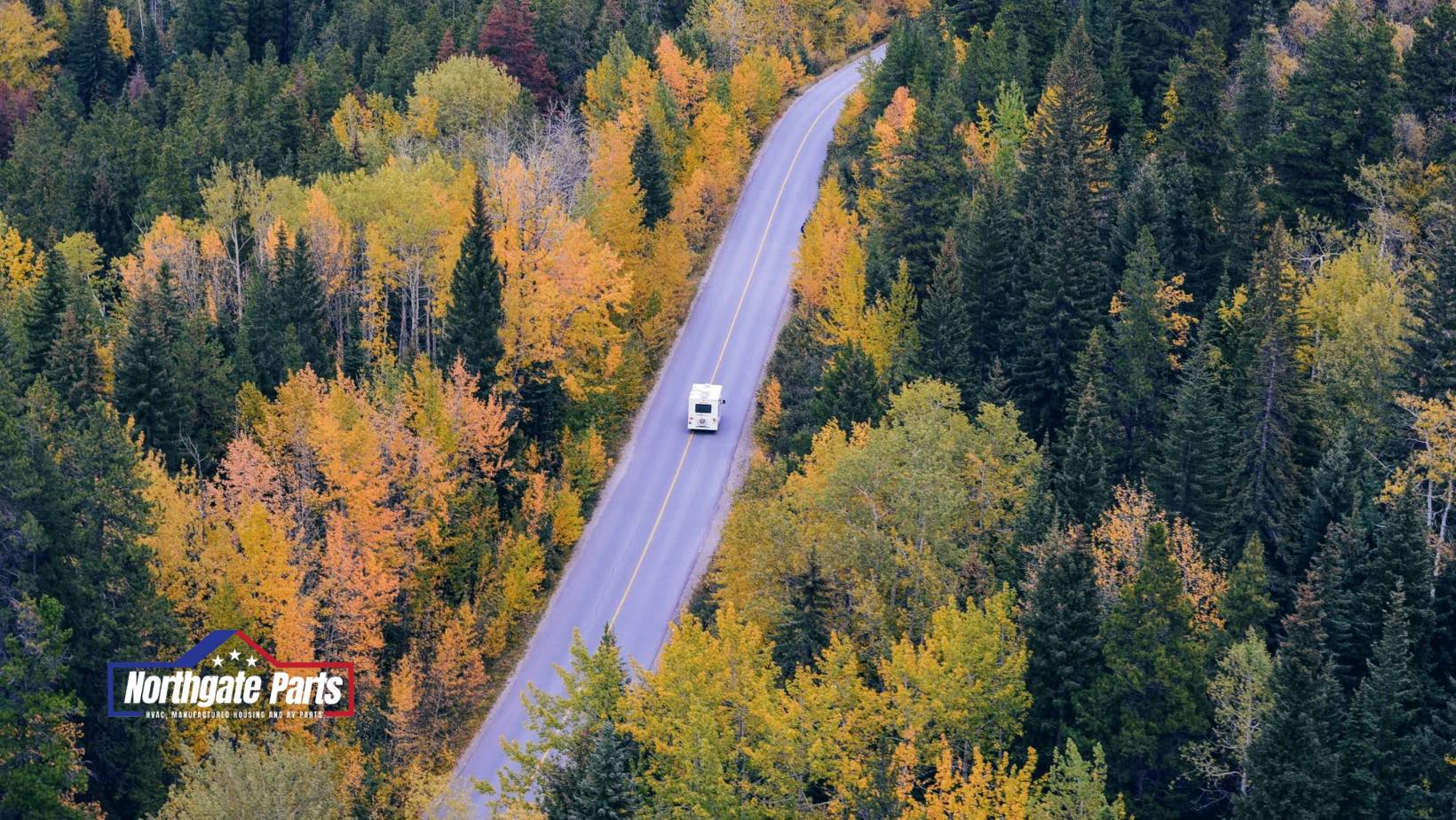
As summer fades and the crisp autumn air rolls in, it’s the perfect time to hit the road for a scenic fall RV adventure. But before you head out, making sure your RV is in top shape is crucial. Taking care of a few key seasonal RV maintenance tasks can help ensure a smooth, safe, and comfortable trip while helping you avoid costly repairs down the road.
Inspect and Maintain Your RV’s Roof and Exterior
Check the Roof for Leaks and Damage
Summer heat and storms can cause wear and tear on your RV roof, leading to potential leaks.
- Inspect the roof for cracks, loose sealant, or water damage.
- Apply RV roof sealant to any visible gaps.
- Check vents and skylights for proper sealing.
Regularly maintaining your RV roof prevents costly water damage and extends the life of your vehicle.
Examine Seals and Weather Stripping
As temperatures drop, sealing drafts is essential for comfort and energy efficiency.
- Inspect window, door, and slide-out seals for cracks or wear.
- Apply new weather stripping if you notice gaps.
- Lubricate door and slide-out mechanisms to keep them working smoothly.
A well-sealed RV helps retain heat and keep moisture out, making fall camping more enjoyable.
Check Your Heating and HVAC System
Test the Furnace and Clean Air Vents
Before cool temperatures set in, ensure your RV’s heating system is ready for fall nights.
- Turn on your RV furnace and check for proper function.
- Clean air vents and ducts to remove dust buildup.
- If necessary, replace the air filter for better airflow.
A well-maintained heating system ensures a warm and cozy travel experience.
Inspect the Air Conditioner and Ventilation System
Even in the fall, daytime temperatures can still be warm.
- Clean AC filters to improve efficiency.
- Inspect roof vents to ensure proper airflow.
- Remove any dust or debris from the ventilation system.
Maintaining proper air circulation keeps your RV feeling fresh and comfortable.
Prepare Your RV Plumbing System for Colder Weather
Check the Water System and Holding Tanks
As temperatures fluctuate, your RV plumbing system needs extra attention.
- Inspect hoses and pipes for leaks or weak spots.
- Empty and clean holding tanks to prevent buildup.
- If traveling to colder areas, consider adding RV antifreeze to protect your system.
Proper water system maintenance prevents freezing and damage as temperatures drop.
Test the Water Heater
A reliable water heater is essential for comfortable fall camping.
- Flush the water heater to remove sediment buildup.
- Check the heating element for proper function.
- Insulate exposed pipes if traveling in colder regions.
A well-functioning water heater ensures you always have hot water on demand.
Inspect Tires, Brakes, and Suspension
Check Tire Pressure and Tread
Fall weather means changing road conditions, so tire maintenance is key.
- Check tire pressure and adjust to manufacturer recommendations.
- Inspect tread depth to ensure good traction.
- Look for cracks or signs of wear and replace tires if needed.
Properly inflated and well-maintained tires improve safety and fuel efficiency.
Examine the Brake System
Safe braking is essential for navigating winding fall roads.
- Test the brake response before hitting the road.
- Inspect brake pads and rotors for wear.
- Ensure brake fluid levels are adequate.
A well-maintained brake system ensures smooth and safe travels.
Test RV Batteries and Electrical Systems
Check Battery Charge and Connections
Cold weather can affect battery performance , so testing before your trip is crucial.
- Test house and engine batteries for proper charge.
- Clean battery terminals to prevent corrosion.
- Replace old or weak batteries before they fail on the road.
A strong battery ensures uninterrupted power during your journey.
Inspect Lights and Electrical Components
Proper lighting is important for visibility and safety on fall roads.
- Check exterior and interior lights for burnt-out bulbs.
- Test turn signals, brake lights, and headlights .
- Inspect power outlets and the RV generator for proper function.
Reliable electrical systems keep your RV powered and well-lit for nighttime travel.
Stock Up on Essential Fall RV Supplies
Equip Your RV for Changing Weather
Fall road trips require a few extra essentials to stay comfortable.
- Pack extra blankets and warm clothing for chilly nights.
- Bring RV-safe antifreeze for colder temperatures.
- Stock up on emergency supplies , including flashlights and batteries.
Preparing ahead ensures a comfortable and stress-free travel experience.
Get Your RV Fall-Ready with Northgate Parts
By following this fall RV maintenance checklist, you can extend the life of your RV, improve performance, and enjoy stress-free travels all season long. Don’t wait—get your RV road-trip ready before heading out this fall!
NORTHGATE PARTS - The area’s #1 source for HVAC Installation, HVAC Repair, and HVAC Service, Manufactured Housing & Mobile Home Parts, and RV Service and RV Repair in Chattanooga and Knoxville , Tennessee .
Call us today at (423) 870-1515 for RV service and RV Parts.
Other Articles from Northgate Parts